
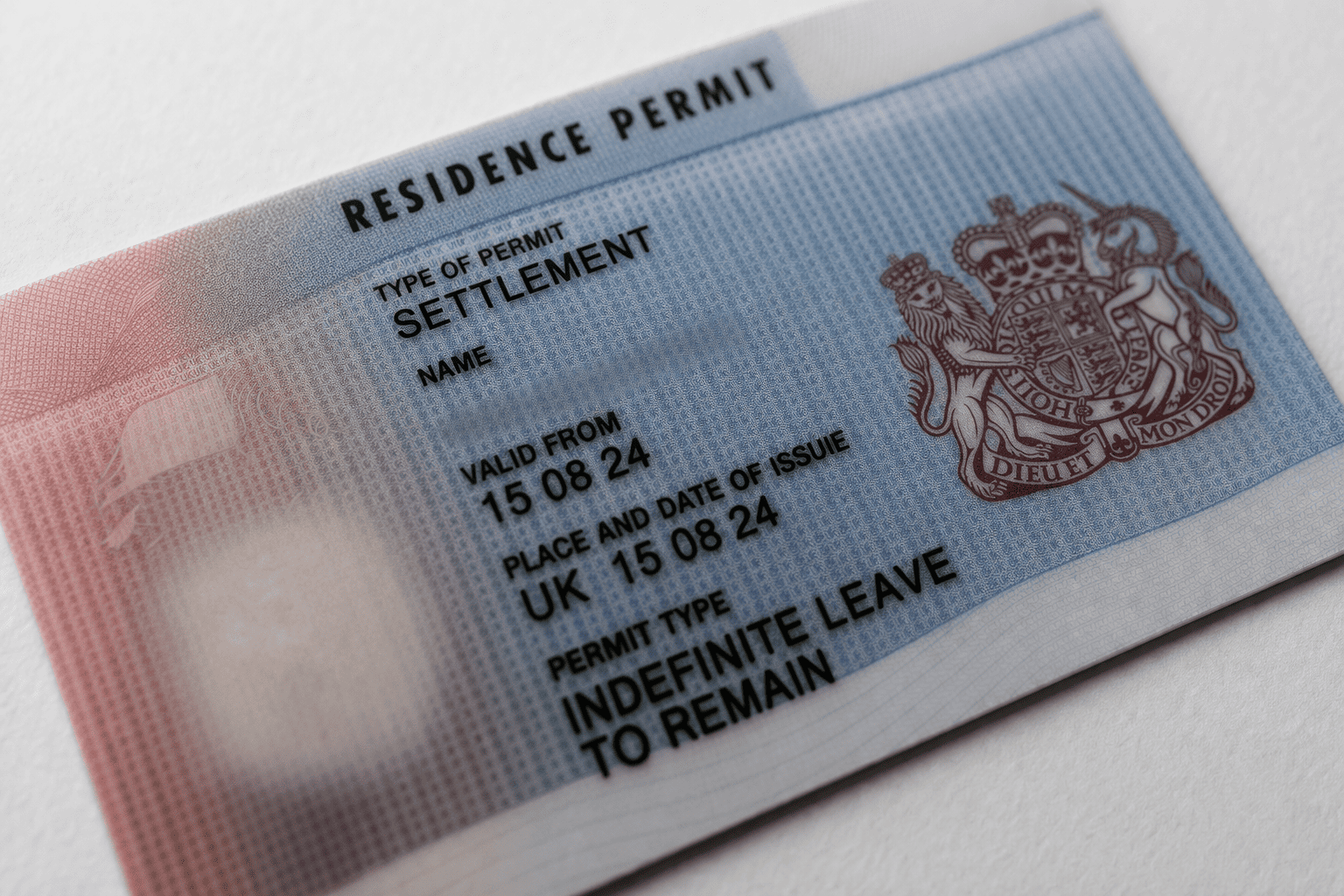
Sorting through UK immigration terminology can be a real brain-twister – especially since Brexit’s come along and turned the whole scene on its head. Those terms you hear bandied about like settled status, permanent residence and indefinite leave to remain are often used as if they’re interchangeable – which just adds to the confusion.
The thing is, while all these statuses are related to being in the UK long term, they’re actually quite different and apply to different groups of people. Getting the difference straight is vital if you’re planning to make the UK your permanent home or apply for British citizenship.
In this guide, we use our experience as experienced immigration lawyers to break down what settled status and permanent residence are all about, how they differ, and which route might be right for you.
What is Settled Status
Settled status is a bit of a newcomer to the UK immigration scene – it’s the status granted under the EU scheme known as the EU Settlement Scheme. To clarify, while the EU Settlement Scheme’s the framework, Permanent Residence is actually granted under EEA regulations and wider UK immigration rules. It was introduced to let EU, EEA and Swiss citizens who’d been living in the UK before Brexit stay on permanently.
Who Can Apply for Settled Status
Settled status is only open to a specific group of people under the EU Settlement Scheme. To be eligible you have to be an EU, EEA or Swiss citizen, or a family member that qualifies, and you have to have been living here before 31 December 2020.
Even though the deadline for applications was 30 June 2021, it might still be possible to apply if you have a good reason for being late – maybe because of serious illness, a lack of awareness about the scheme, or some other circumstance that’s made it hard for you.
The Benefits of Settled Status
Having settled status means you can stay in the UK as long as you like without having to worry about immigration restrictions. It gives you a wide range of rights and perks, including
The freedom to live and work in the UK without having to apply for British citizenship
Access to the NHS and public healthcare
Eligibility for certain benefits and public funds if you qualify
The right to study in the UK without having to pay overseas student fees
The freedom to travel in and out of the UK as you please
Settled status is free to apply for and there’s no need to show you speak English or pass the Life in the UK test.
In addition, settled status gets you on the path to British citizenship, as you can usually apply after having the status for 12 months.
How Long You Can Spend Out of the UK
One of the best things about settled status is how flexible it is. You can be out of the UK for up to five continuous years without losing your status – which is great for people who like to travel or spend time living abroad.
What is Permanent Residence in the UK
Permanent residence used to be the go-to term in the UK for describing the right of EU nationals to live here indefinitely under EU law. It was evidenced by a permanent residence document, which was a vital bit of proof of residence for EU nationals and their family members. Permanent residence is the unconditional right of residence that EU nationals and their family members have under the EU Citizenship Directive 2004.
What is Permanent Residence
Permanent residence used to be granted to EU citizens who’d been living in the UK for five continuous years while working, studying, being self-employed, or being self-sufficient.
It was usually confirmed through a permanent residence card issued by the Home Office, which served as proof of lawful residence in the UK. Unlike settled status, the document confirming permanent residence could be backdated to show the actual date when this right was acquired, whereas settled status can’t be backdated.
Is Permanent Residence Still Valid
Permanent residence is no longer issued in the UK. Following Brexit, the system was replaced by the EU Settlement Scheme.
If you used to have permanent residence, you were required to apply for settled status to keep living in the UK lawfully. In those cases, people had to convert their permanent residence documents to settled status to keep their rights. Old Permanent Residence documents are no longer valid after 30 June 2021 and will need to be converted to Settled Status in order to retain rights. As of 1 January 2021, Permanent Residence documents on their own aren’t considered valid proof of immigration status any longer and will need to be swapped over to Settled Status to be allowed to stay.
The Relationship Between Permanent Residence and ILR
Indefinite leave to remain has effectively taken over from permanent residence as the main route to permanent settlement in the UK.
Whereas permanent residence mainly applied to EU nationals under EU law, ILR is now the standard form of settlement for both EU and non-EU nationals.
What is Indefinite Leave to Remain
Indefinite leave to remain (ILR) is a form of permanent status in the UK that lets you live here without any time restrictions. ILR is granted indefinite leave and is a route to obtain indefinite leave to remain in the UK.
ILR lets you live, work, and study in the UK without any time limits.
Who can apply for ILR
ILR is available to people who’ve lived in the UK on a qualifying visa for a fairly short period – typically five years. That includes visa routes like the Skilled Worker visa, which requires a job offer from a licensed sponsor, or family visas. In order to get indefinite leave, most people will need to have worked and lived in the UK for at least five years, although some visas will let you apply after only three years.
The thing is, not all visas qualify you for ILR, so it’s pretty important to choose the right immigration route from the get go.
Key benefits of ILR
ILR gives you a lot of the same benefits as settled status. Once you’ve got it, you can
Live in the UK for as long as you like, without worrying about a time limit
Work freely in any profession or sector
Study in the UK
Access public services and healthcare
Just like settled status, ILR holders have the same rights as settled residents – including access to public funds, the NHS and the ability to study in the UK without having to pay overseas student fees.
ILR also lets you apply for British citizenship after a year, providing you meet the eligibility requirements.
Absence rules for ILR
One important thing to bear in mind is the absence rule. If you leave the UK for more than two years in a row, your ILR status could lapse.
This is a bit more strict than settled status, and it’s something to consider if you think you’ll be spending time away from the UK.
Key differences between settled status and permanent residence
Although the terms might sound similar, there are some key differences between settled status and permanent residence.
Settled status is a digital status – you’ll get a digital confirmation that you’ve got it. Permanent residence, on the other hand, used to be documented on a physical document like a residence permit or permanent residence document.
Eligibility
Settled status is available to EU, EEA and Swiss citizens under the EU Settlement Scheme, as long as they lived in the UK before 2020.
Permanent residence applied to EU nationals under pre Brexit rules and is no longer an option.
Application process
The application process for settled status is pretty straightforward and free of charge. It’s largely digital and just requires proof of who you are and where you’ve lived.
Permanent residence applications were a bit more complicated and required lots of evidence of exercising treaty rights over a five year period.
Validity and relevance today
Settled status is the current and valid immigration status for eligible EU nationals.
Permanent residence is now considered outdated and can’t be used on its own as proof of the right to live in the UK.
Difference between settled status and ILR
It’s really important to understand the difference between settled status and ILR, as these are the two main routes to permanent settlement in the UK today.
Who each route is for
Settled status is designed specifically for a certain group: EU, EEA, and Swiss citizens and their family members who were already living in the UK before Brexit. This status is only available under the EU Settlement Scheme to those who fit these criteria.
ILR is available to a much broader group, including non-EU nationals and individuals on eligible visa routes.
If you moved to the UK after Brexit, you’ll typically need to follow a visa route that leads to ILR rather than settled status.
Cost and application complexity
One of the biggest differences is the cost. Settled status applications are free, while ILR applications cost a significant amount of money.
ILR also requires a lot more documentation, including proof of income, continuous residence and often passing an English language test and the Life in the UK test.
Absence rules comparison
Settled status lets you spend up to five years outside the UK without losing your status.
ILR, on the other hand, is usually lost after two years of absence. This makes settled status a bit more flexible for people who like to travel.
Eligibility requirements
ILR has stricter eligibility requirements, including continuous residence rules and additional tests.
Settled status is generally more straightforward, focusing mainly on proof of residence in the UK before the Brexit cut off date.
What is pre settled status
Pre settled status is another status under the EU Settlement Scheme, designed for people who haven’t yet lived in the UK for five years at the time of their application.
Who receives pre settled status
This status is granted to EU nationals who were living in the UK before 31 December 2020 but hadn’t yet met the five year residency requirement.
It lets them stay in the UK and continue building towards full settled status.
How to move to settled status
To move from pre settled to settled status, you need to complete five years of continuous residence in the UK.
You also need to apply for settled status before your pre settled status runs out, so it’s a good idea to keep track of your timeline.
Which status should you apply for
Choosing the right immigration route really depends on your current nationality and circumstances. Your current nationality may affect your eligibility for permanent residence or settled status, and it may determine whether you can hold dual citizenship.
If you are an EU national
If you were living in the UK before Brexit and meet the right criteria, settled status tends to be the best bet.
Its a much simpler process, free of charge and offers a long term sense of security.
If you’re not from the EU
For nationals from outside the EU, ILR is usually the main route to getting a permanent foothold in the UK. This is usually achieved after several years on a qualifying visa.
If you already had permanent residence
If you’ve previously held permanent residence then its worth double checking that you’ve now switched over to settled status – as permanent residence documents are no longer enough on their own to cut it.
Can you apply for British citizenship
Both settled status and ILR can lead on to British citizenship. To become a British citizen you’ll need to meet certain requirements, such as holding settled status or indefinite leave to remain. You’ll also need to pass the Life in the UK test and show you have some basic grasp of English. UK citizenship is the official status given to you by the UK government – but being a UK citizen means you get all the rights and responsibilities that come with that.
Children born in the UK to parents who have settled status automatically get British citizenship.
What happens after settlement
As a general rule, you need to have held settled status or ILR for at least a year before you apply for British citizenship. However, if you’ve married a British citizen then you can apply for British citizenship as soon as you get your settled status. People with indefinite leave to remain can also apply for British citizenship after a year of holding that status.
You’ll also need to prove you’ve been resident in the UK long enough, pass the Life in the UK test, show your grasp of English and meet the good character requirement.
Frequently asked questions about settled status vs permanent residence
Is permanent residence the same as ILR
Not on the same terms. Permanent residence was an EU law status while ILR is part of the current UK immigration system. While both allow permanent stay – ILR is the one that actually counts these days. You can confirm your ILR status with a BRP card or a letter from the Home Office.
Can you switch from settled status to ILR
In most cases, you don’t need to bother. Both status’ give similar rights – so you can live in the UK permanently and if you want to, apply for citizenship.
Which status is better
Sorry – there is no one-size-fits-all answer to that one. Its all about your individual circumstances – what your nationality is, when you first arrived in the UK, where your permanent home is and what your history of lawful residence in the UK looks like.
How Intime Immigration can help
Trying to navigate the UK immigration rules can be a nightmare – particularly now that terminology and requirements keep changing over time. The UK government is the final authority on all things immigration and its always a good idea to stay on top of any changes that might affect your application.
Here at Intime Immigration, our team of experienced advisers will guide you through every step of the process. Whether you need help figuring out if you qualify, putting an application together or just making sure all the paperwork is in order, we will give you clear, practical help tailored to your specific situation.
If you are not sure which route is best for you then having a chat with an expert can give you the clarity and confidence to move forward.
For further information, do check out our dedicated pages on British citizenship and related topics.
Get in touch with an immigration expert now
If you need help with settled status, ILR or just need some advice on your immigration options, then give Intime Immigration a call today or visit one of our offices in Chester, Manchester or Stoke-on-Trent and well provide you with personal advice and support.